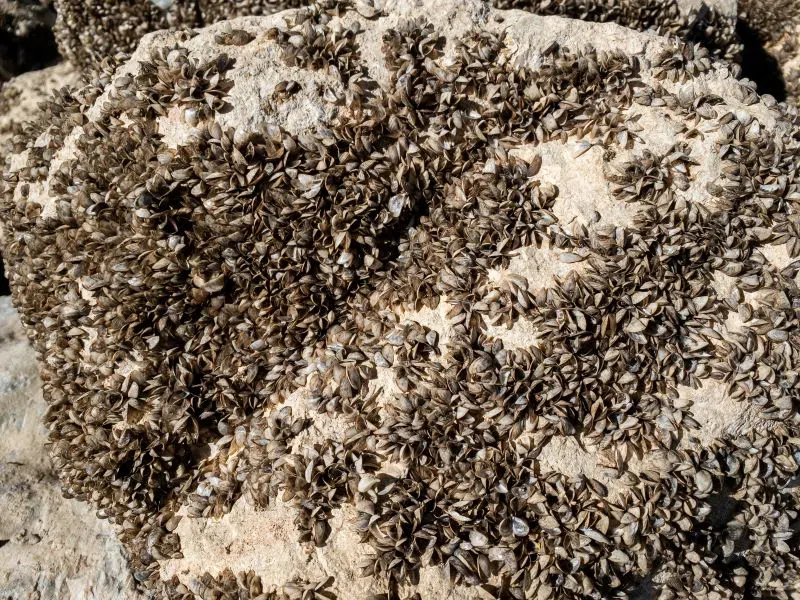
Manitoba Environment and Climate Change is activating its Aquatic Invasive Species (AIS) Early Detection Rapid Response Plan after positive zebra mussel veliger (larvae) samples were found in Lake of the Prairies, the province announced today.
According to a release, the zebra mussel veligers were detected through routine surveillance monitoring program and corroborated by follow-up monitoring efforts. The response is being co-ordinated through a joint Manitoba-Saskatchewan incident command structure for this shared waterbody, with support from Fisheries and Oceans Canada.
“The next steps in the response include developing a specific monitoring plan to better understand the detection and implementation of a multi-jurisdictional containment plan,” reads the release. “To prevent and contain the outward spread of zebra mussels, all water users leaving Lake of the Prairies are required to decontaminate their watercraft and water-related equipment before launching in another waterbody.”
Lake of the Prairies is a shared water body between Manitoba and Saskatchewan, sitting about 5 kilometers west of Roblin, and is one of Manitoba’s largest reservoirs.